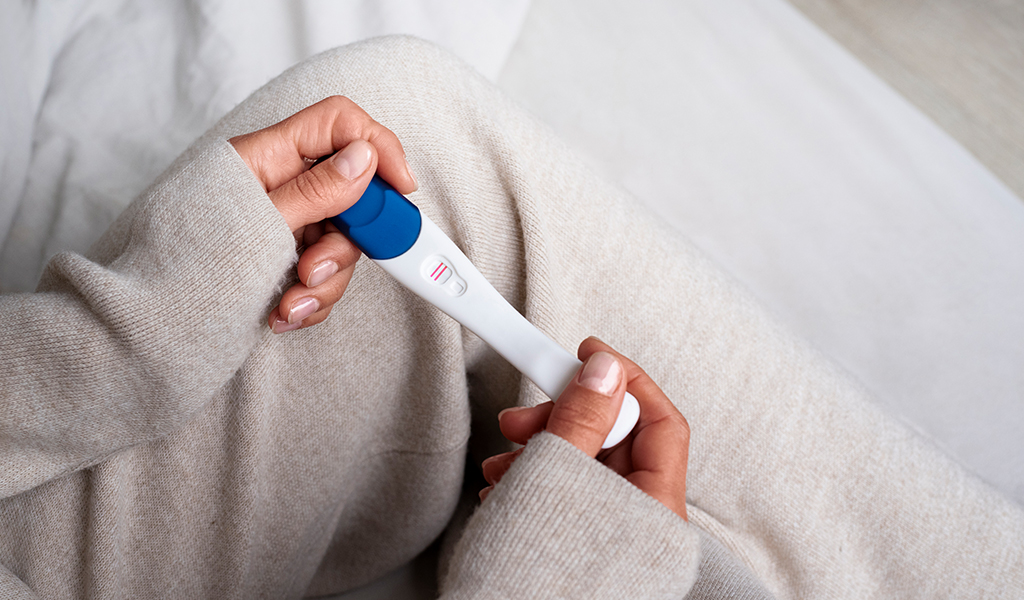
Polycystic Ovary Syndrome (PCOS) is one of the most common hormonal disorders affecting women of reproductive age. It is also one of the leading causes of infertility due to irregular ovulation or the absence of ovulation.
The good news is that with timely diagnosis, lifestyle modifications, and appropriate medical treatment, many women with PCOS can successfully conceive and enjoy a healthy pregnancy.
PCOS is a hormonal condition that affects how the ovaries function. Women with PCOS may experience hormonal imbalances, irregular menstrual cycles, and multiple small cysts in the ovaries.
Common symptoms of PCOS include:
Irregular or missed periods
Difficulty getting pregnant
Weight gain or difficulty losing weight
Excess facial or body hair
Acne or oily skin
Hair thinning or hair loss
Insulin resistance
Not every woman experiences the same symptoms, which is why professional evaluation is essential.
PCOS can disrupt the normal ovulation process. When ovulation occurs irregularly or not at all, it becomes more difficult to conceive naturally.
In addition to ovulation issues, PCOS may also affect fertility through:
Hormonal imbalances
Insulin resistance
Weight-related complications
Increased risk of miscarriage
Poor egg quality in some cases
Early diagnosis and treatment can significantly improve fertility outcomes.
Healthy lifestyle choices play a vital role in managing PCOS symptoms and enhancing fertility.
Even a modest weight loss of 5% to 10% can help regulate menstrual cycles and improve ovulation.
Choose nutrient-rich foods, including:
Fresh fruits and vegetables
Whole grains
Lean proteins
Healthy fats
High-fiber foods
Limiting processed foods and refined sugars may help manage insulin resistance.
Aim for at least 30 minutes of moderate physical activity most days of the week. Regular exercise can help improve insulin sensitivity and support hormonal balance.
Chronic stress can negatively impact reproductive hormones. Activities such as yoga, meditation, and mindfulness practices may help improve overall well-being.
Poor sleep patterns can worsen hormonal imbalances. Maintaining a consistent sleep schedule is essential for reproductive health.
If lifestyle changes alone are not enough, fertility specialists may recommend personalized treatment options.
These may include:
Ovulation induction medications
Hormonal therapy
Insulin-sensitizing medications
Intrauterine Insemination (IUI)
In Vitro Fertilization (IVF)
Intracytoplasmic Sperm Injection (ICSI)
The most suitable treatment depends on factors such as age, medical history, and the underlying cause of infertility.
Consider consulting a specialist if:
You have irregular periods
You have been trying to conceive for more than one year
You are over 35 and have been trying for six months
You have been diagnosed with PCOS
You have experienced recurrent pregnancy loss
Early intervention can improve your chances of a successful pregnancy.
Living with PCOS does not mean giving up on your dream of becoming a parent. With the right guidance, treatment plan, and lifestyle support, many women with PCOS achieve successful pregnancies.
At AWCA Lifecare Pvt. Ltd., our fertility experts provide personalized PCOS management and advanced fertility treatments designed to help you achieve your parenthood goals.
Book a consultation today to learn more about your treatment options and begin your fertility journey with confidence.
.png)