Innovations Driving the Future of Magnetics
Admin - June, 11 2025

Send Us A Mail
susma_magnet@yahoo.com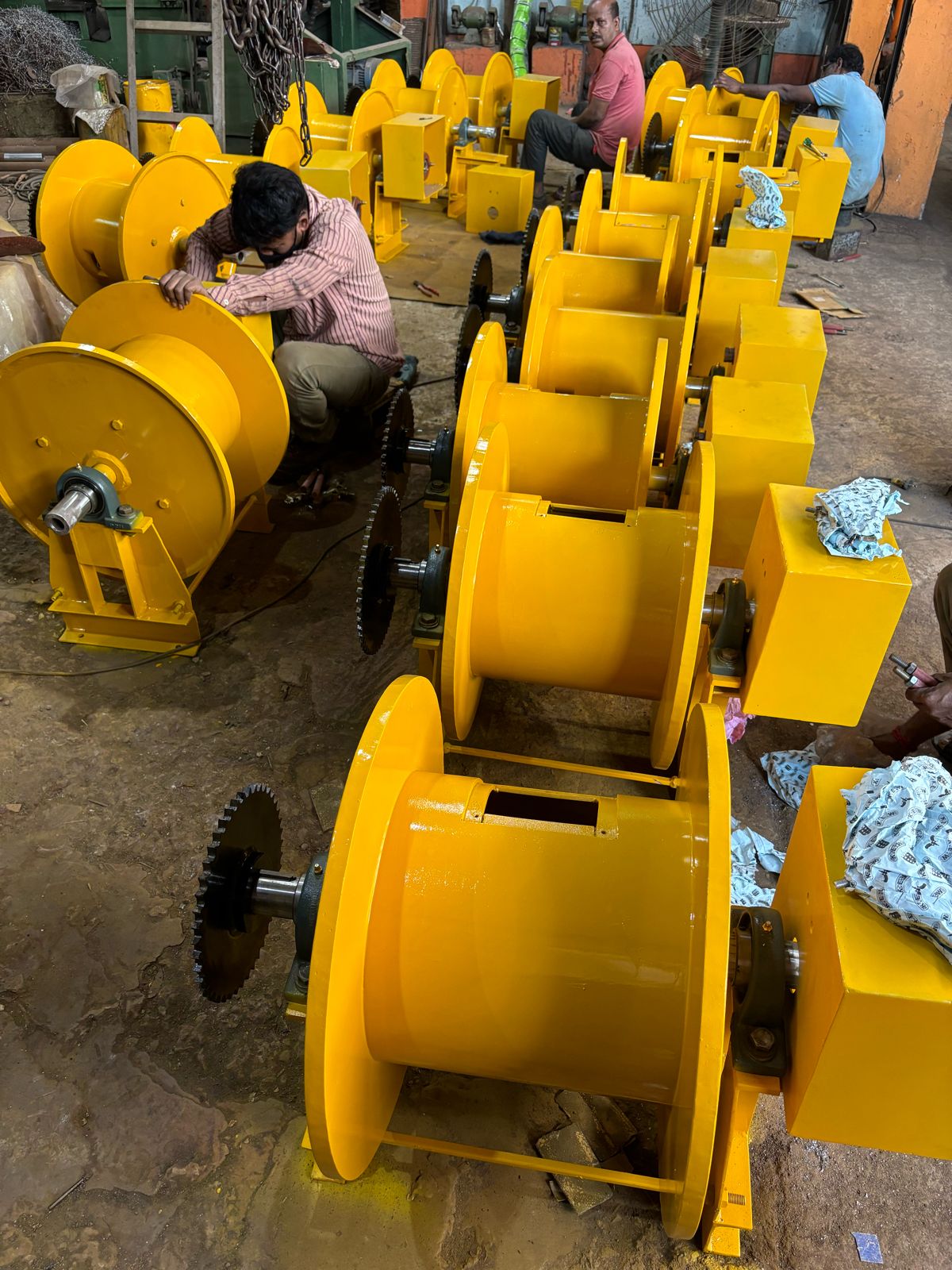
Heavy-duty steel base frames play a vital role in supporting and stabilizing industrial machinery across a wide range of sectors. From generators and transformers to compressors and heavy processing equipment, these frames act as the structural backbone that ensures safe operation, precise alignment, and long-term durability. A well-designed base frame not only supports the static weight of equipment but also withstands dynamic forces such as vibration, torque, and operational stress.
The design phase is critical and involves careful load calculations, material selection, and structural analysis. Engineers consider factors such as load distribution, environmental exposure, vibration control, and installation requirements. High-grade structural steel is typically selected to ensure strength and reliability under demanding conditions. Reinforcements such as stiffeners, cross members, and gussets are incorporated to prevent deformation and maintain rigidity.
Fabrication follows strict quality-controlled procedures, including precision cutting, professional welding, dimensional verification, and surface leveling. Advanced techniques like CNC cutting and certified welding processes help maintain accuracy and consistency. Quality inspections ensure structural integrity and compliance with industry standards.
Finishing is equally important for long-term performance. Surface preparation methods such as shot blasting remove contaminants, followed by protective coatings like epoxy primer, polyurethane paint, or hot-dip galvanizing to enhance corrosion resistance.
This blog explores the complete process of designing, fabricating, and finishing heavy-duty steel base frames, highlighting best practices that ensure strength, stability, and extended service life in industrial applications.
Admin - June, 11 2025
Admin - March, 24 2023